
Blog
Apricity unpacks what works in social impact and international development — from Monitoring, Evaluation and Learning (MEL) to data systems and evidence from the field. Written by practitioners with experience across NGOs, foundations, international organizations, and complex operating environments. Practical insights for funders, consultants, and the professionals working towards lasting change.
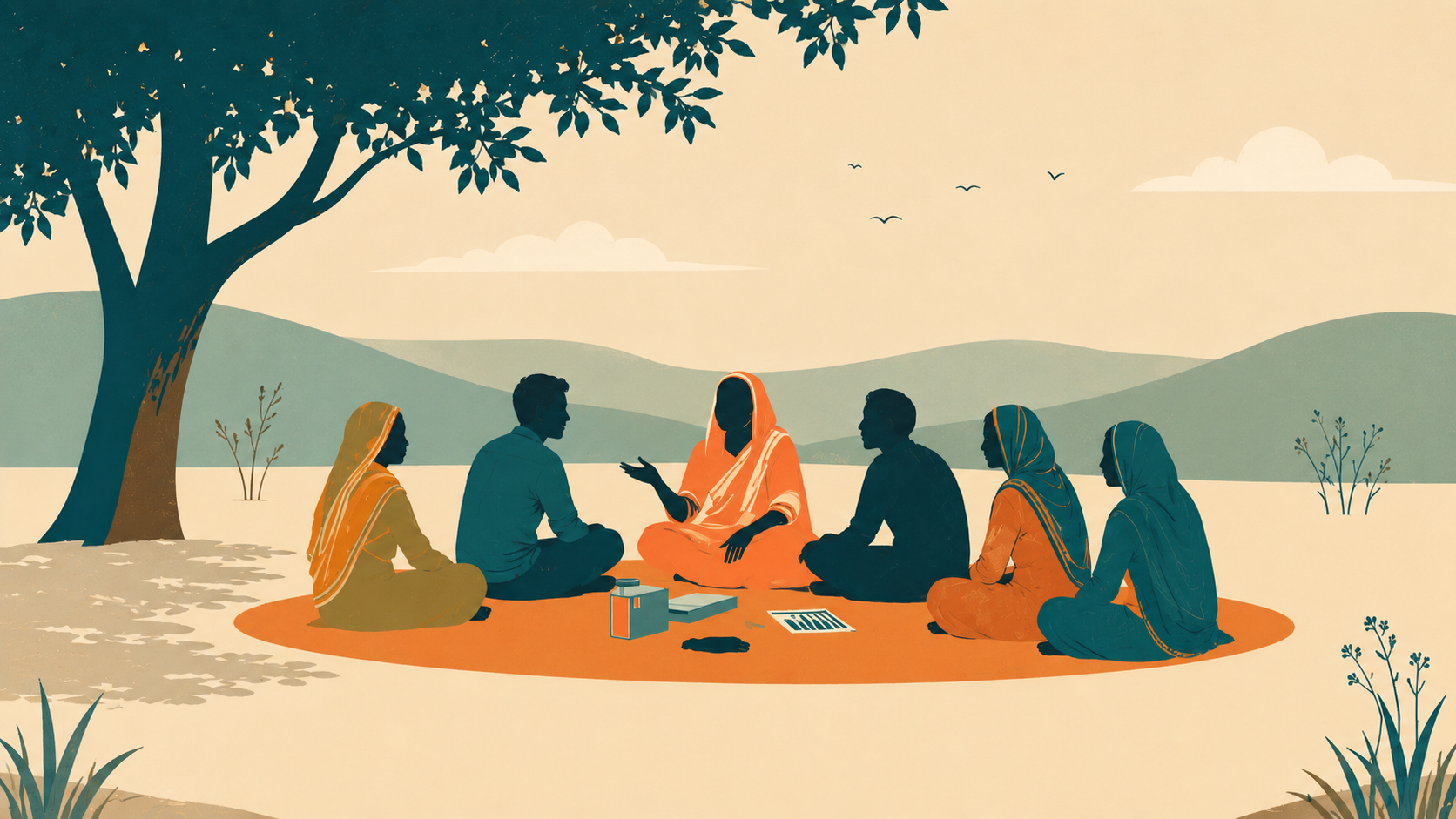
Community-Centered Monitoring and Evaluation: Understanding How Programs Actually Work
Data can tell you that outcomes varied. It doesn't always tell you why. A recent Nepal evaluation shows what happens when you build community perspectives into monitoring and evaluation from the start, not just at the end.
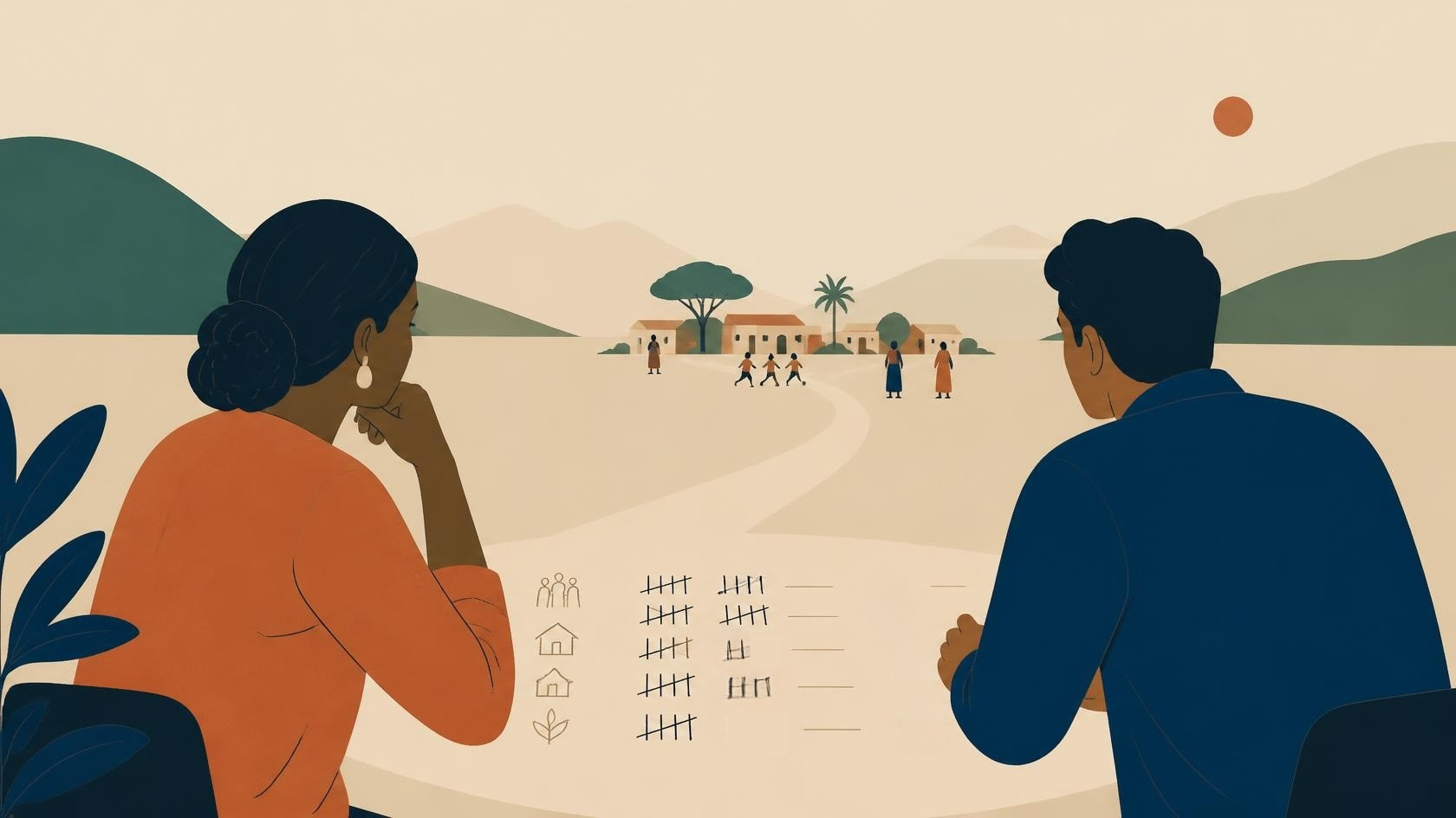
Beyond Descriptive Statistics: Turning Data into Decision-Ready Evidence
Most evaluations generate data. Fewer generate understanding. Drawing on Apricity's recent evaluation work in Nepal, this piece explores how looking beyond headline figures and asking why outcomes differ across locations and communities is what moves evaluation from reporting to learning.

Choosing Your Evaluation Design
When a program has already ended and randomization is off the table, what does a rigorous evaluation look like? A real case from Nepal — including where the plan changed mid-course.

Evaluation Methods and Evidence: from Measurement to Learning
As resources shrink and the stakes of getting it wrong rise, organizations need more from evaluation than evidence that a program worked. They need to understand why it worked, for whom, and what should happen next. This series explores what that shift requires — and what it looks like in practice.
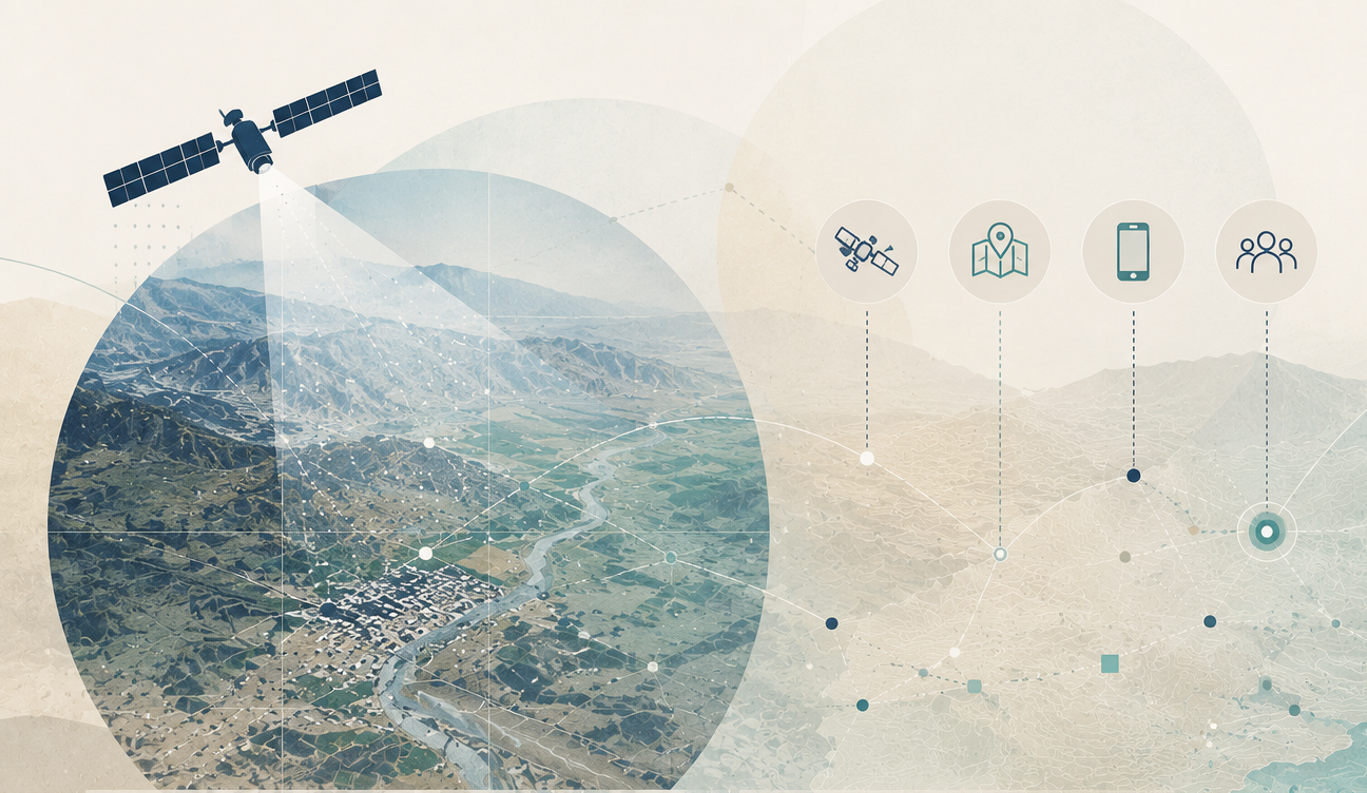
When You Can’t See the Program, How Do You Know It’s Working?
Most monitoring systems assume that if you can't visit a program, you can't verify it. That assumption no longer holds. Drawing on evaluation work in Yemen, this piece explores how satellite imagery, geospatial analysis, and mobile data collection are redefining what credible evidence looks like in fragile and conflict-affected contexts.